
Alternator Weld Inspection
Checking the weld bead fused onto every copper winding lead, and catching the ones that are missing, malformed, or full of holes.
The challenge
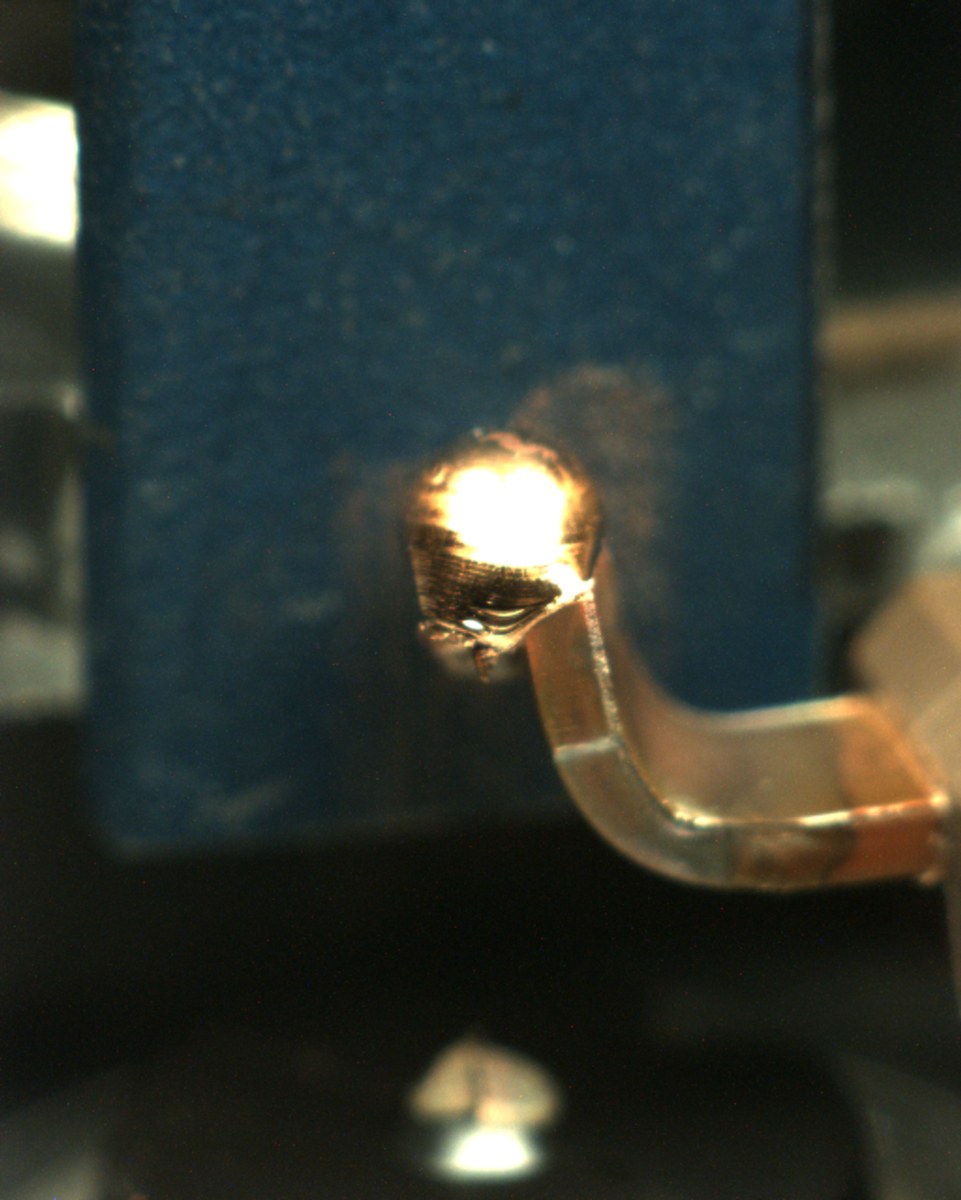
Inside an alternator, the ends of the copper windings are fused into a small ball of solidified metal. That bead is the electrical joint. If it did not form, if it formed short, or if it solidified with a crater or void in it, the joint is compromised, and the failure does not show up on the assembly line. It shows up later, in a vehicle.
There are a lot of these joints on a single part, and they are genuinely awkward to inspect. The bead is bright, rounded, and mirror-like, so it throws specular highlights that move with every tiny change in position. No two good beads are quite the same shape. Set a fixed rule tight enough to catch a slightly undersized bead and it starts rejecting perfectly good ones; loosen it and the bad ones walk through. Meanwhile an operator is being asked to judge a shiny copper ball a few millimeters across, on every lead, on every part.
What we built
Each weld position gets its own camera view, so every bead on the part is imaged individually rather than trying to judge a whole ring of them from one picture. The images run through two kinds of analysis at once.
A deep-learning classifier makes the judgement call on whether the bead looks right, because that is the part of the problem that resists fixed rules. It was trained on a library of real production beads pulled straight off the line and sorted by hand, just under two thousand good examples against a set of genuine failures, so the model learned the actual spread of what a good bead looks like rather than an idealized one. Alongside it, conventional vision tools measure the bead against a minimum and maximum for that specific weld position, which gives a hard, explainable number next to the model's opinion.
Different alternator models run down the same line, so the system is recipe-driven: selecting the product loads the right thresholds and the right expected result for each position. Results go to the PLC over EtherNet/IP so the cell can act on a failure, and every part is logged with the per-camera scores behind the decision, which means a questionable call can be pulled up and reviewed rather than argued about.
Why train a model instead of writing rules
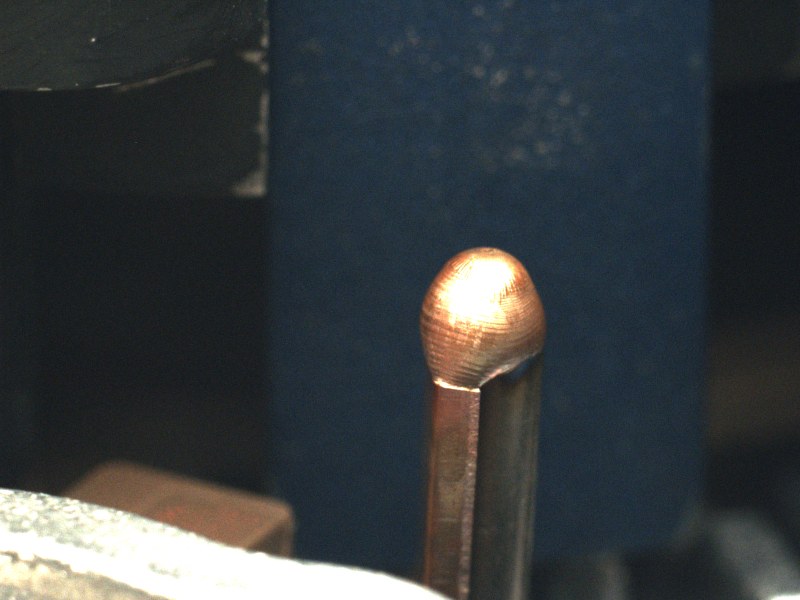
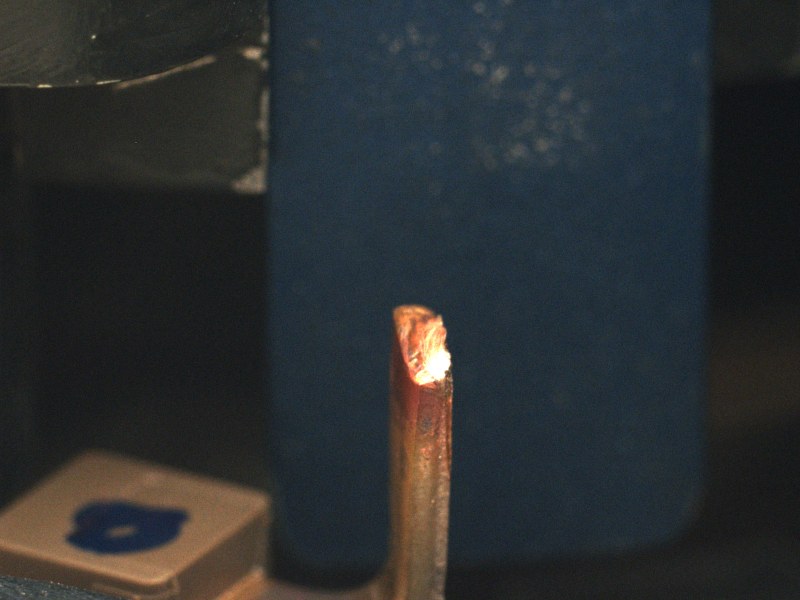
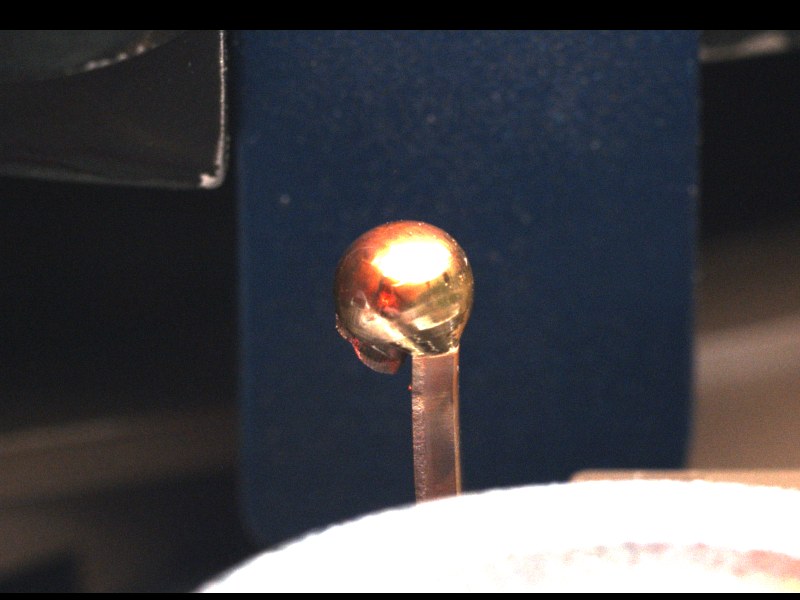
The failure modes are not subtle to a person once you see them side by side: a bead that never formed and left a bare lead, a bead that slumped off-center, a bead with a pit sunk into the top. They are subtle to a threshold, because all of them sit within the same brightness and rough size envelope as a good bead.
Training on real, hand-sorted production images means the system is separating good from bad on what those actually look like in that cell, under that lighting, on that part. Keeping the rule-based measurement alongside it means there is still a number to point at when someone asks why a part failed.
Capabilities used
Machine vision, deep-learning defect classification, multi-camera inspection design, lighting design for specular surfaces, recipe-driven multi-model handling, PLC integration over EtherNet/IP, and per-part statistics logging.
Good bead, bad bead
Got a defect that only a person can spot?
Engineer-led, customer-direct, backed by 24/7 support.
(423) 567-3755Talk to an engineer